
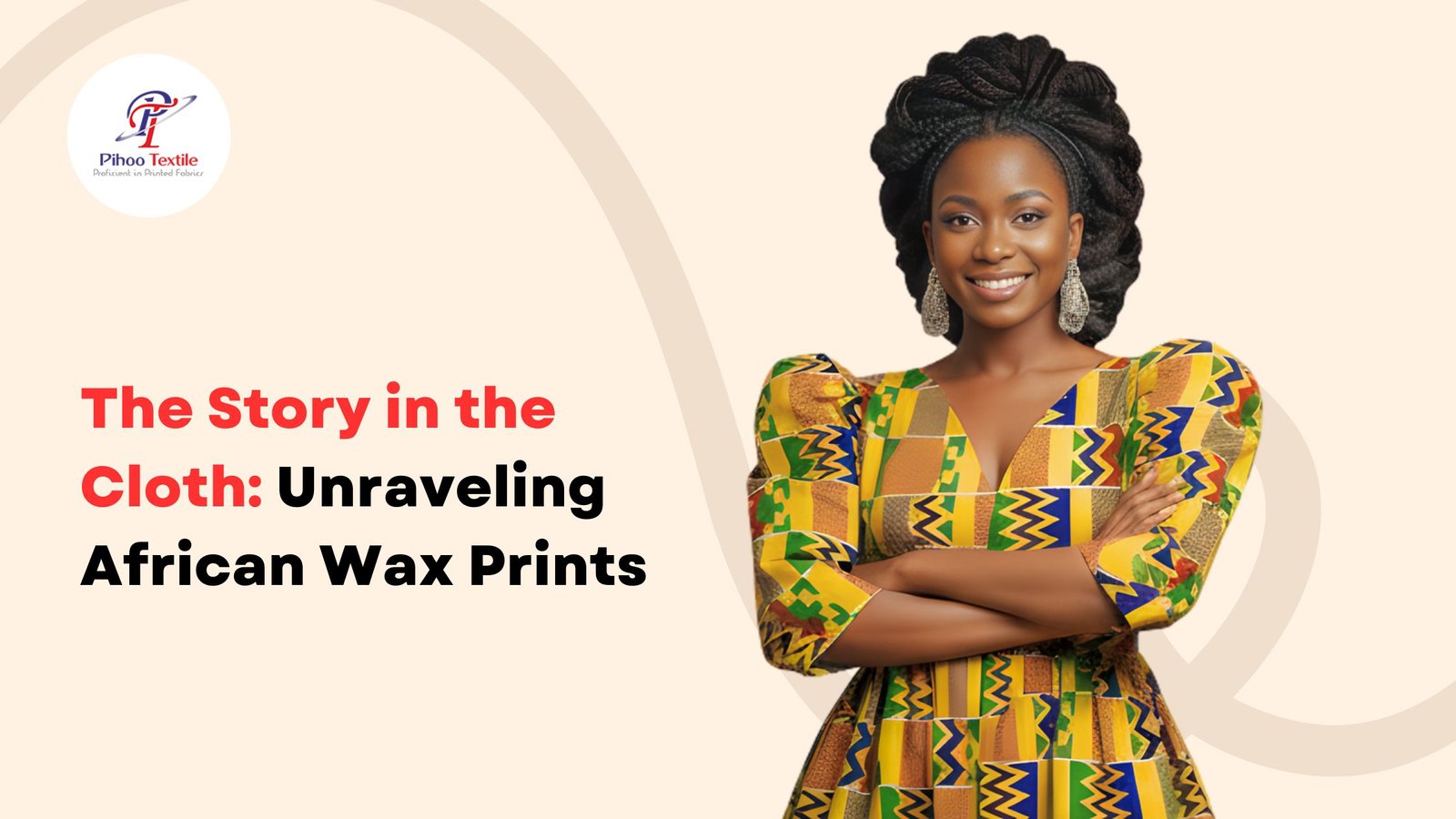
The Story in the Cloth: Unraveling African Wax Prints
African wax prints sit at the intersection of culture and industry. They are widely seen as African, yet their production history moves across continents. The technique traces back to Indonesian batik methods and later industrial printing in Europe before becoming deeply rooted in West and Central African markets. Over time, communities adopted the fabric, renamed patterns, and embedded them into ceremonies, politics, and daily life. What began as trade cloth became identity cloth. For anyone buying or reselling today, this history is not abstract. It affects how the product is positioned, priced, and trusted.
At the manufacturing end, wax prints are typically industrial cotton fabrics printed to resemble batik resistant aesthetics. Standard weights often range between 80 and 220 GSM depending on use. The supply chain commonly works in 6-yard and 12-yard piece formats, which shapes cutting, retail packaging, and wholesale calculations. These details matter as much as design.
What a Wax Print Actually Is
A wax print is a cotton fabric designed to mimic the layered, resist-dyed look of batik. Traditional methods applied resist material to both sides of the cloth before dyeing, which created color visibility on the front and back. That double-sided intensity remains one of the main quality indicators in the category. Modern production includes both full wax-resist styles and surface-printed variations often called fancy prints. Understanding which version you are sourcing affects durability, price, and positioning.
Crackle effects, small lines running through blocks of color, are not flaws. They are part of the aesthetic. Historically, cloth was intentionally crinkled during processing to create fine cracks in the resist layer so dye could seep through in controlled patterns. Today, that look is still engineered because customers associate it with authenticity and depth.
How the Market Was Built
In the late nineteenth century, printed cloth inspired by batik techniques entered West African markets and gained rapid popularity. Traders and distributors played a major role in shaping demand. Pattern names were localized. Certain colorways became linked to events, status, or social messages. Over time, African mills also entered production, adding regional identity to industrial scale.
Distribution networks shaped taste. Influential market traders selected which designs would circulate and often renamed them to reflect local meaning. A single print could carry different names in different countries. Those names were not decorative. They signaled mood, occasion, or political commentary. For buyers today, understanding naming culture is commercial strategy, not trivia.
The Buyer’s Reality Check
Quality is visible when you know what to check. Reverse-side color strength shows whether dye penetrates the fabric properly. The selvedge edge often carries maker or design information and helps verify source consistency. Standard pack sizes are usually six or twelve yards, and ignoring that structure can disrupt costing and cutting plans. Fancy surface prints are legitimate products, but they differ in intensity and price from true wax-resist styles. Positioning them correctly prevents confusion and returns.
Authenticity and the Ongoing Debate
Wax prints occupy a space between cultural symbol and industrial product. Museums present them as strongly associated with Africa. Artists and scholars continue to debate the meaning of authenticity in a fabric that traveled before it settled. For buyers and brands, this means every sourcing decision signals something. The fabric you choose carries narrative weight along with visual impact.
Quality Is a System
Premium claims only hold when backed by measurable standards. Consider three linked checks: Origin clarity, where production method is documented; Physical performance, where hand feel, drape, and dye depth confirm quality; and Specification discipline, where GSM, shrinkage tolerance, and colorfastness are tested consistently. Storytelling cannot replace these controls. It can only complement them.
Design alone does not guarantee sell-through. Distribution fit, color relevance, and naming logic influence success more than motif creativity. A strong pattern without the right channel will stall. A well-positioned colorway in the correct weight can move quickly.
Tactics That Move Product
Specify fabric weight based on end use. Mid-weights around 180–200 GSM often support structured apparel. Lighter bases work for flowing garments. Heavier bases or interlinings increase perceived value for accessories or home items. Test shortlisted fabrics under consistent wash and press conditions before committing.
Build a receiving process. Verify selvedge information, inspect reverse-side color, conduct wash tests, and review under consistent lighting. Consistency protects margins.
Name with intention. Where cultural nicknames exist and are appropriate to use, they strengthen recall. Where they do not, align colorways clearly with occasion or mood. Customers remember meaning more than file numbers.
Position fancy prints honestly. Present them as faster fashion options with surface intensity and sharper pricing. Clear positioning builds trust.
Closing
African wax prints are both cultural objects and commercial goods. They hold history, symbolism, and economic scale in the same weave. For buyers, the work is practical. Verify process. Confirm specifications. Understand naming culture. Align weight and pack size with your plan.
We produce African print qualities in 80–220 GSM cotton bases with 6- and 12-yard formats, along with custom developments for trade buyers. The goal is consistency, clarity, and repeatability. In this market, the cloth must justify its story through touch, structure, and performance. When it does, it sells with confidence and stays in rotation longer.
